US F-15 Crashes in Kuwait: Navigating the Fog of War
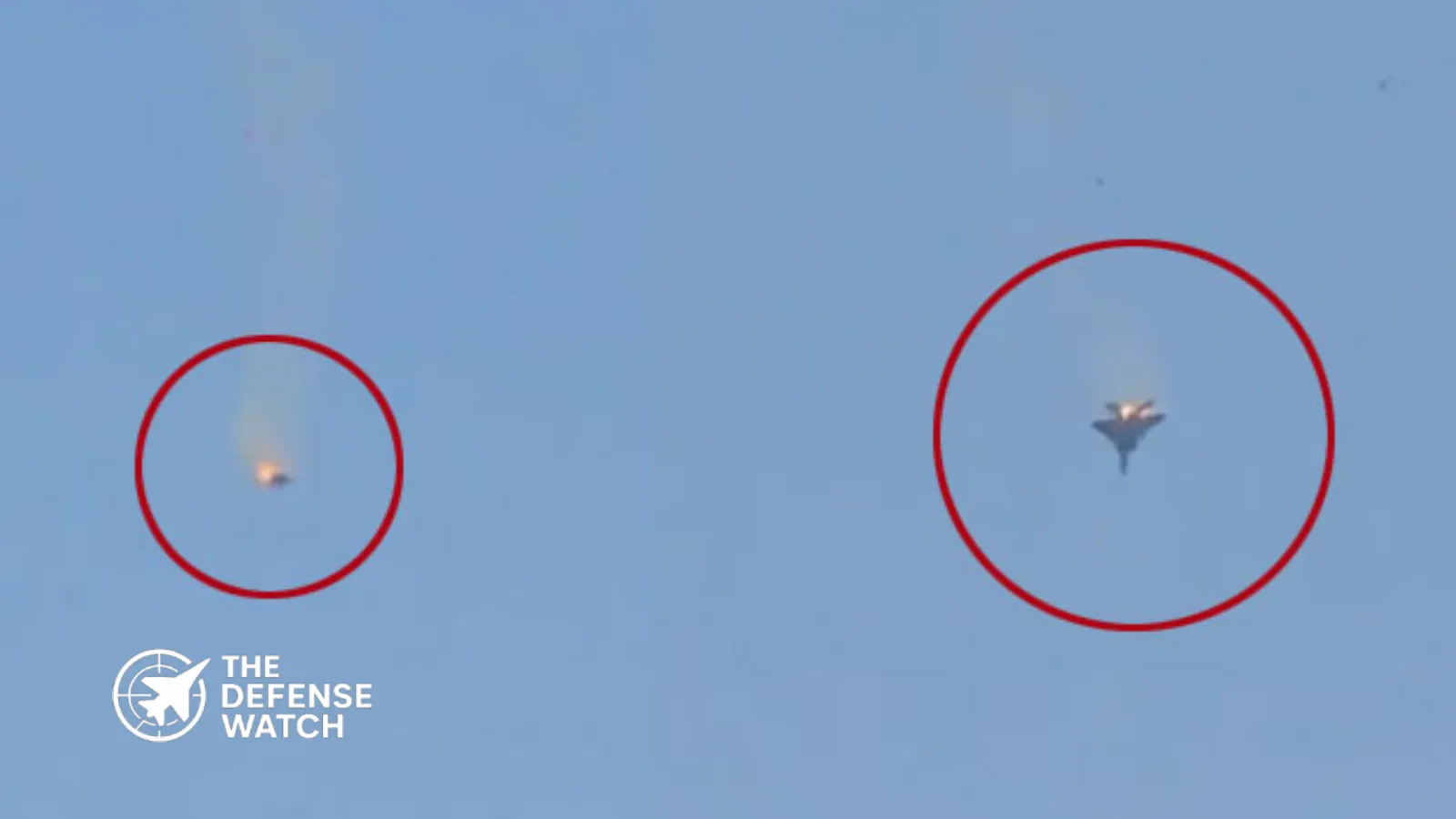
On March 2, 2026, the Middle East was jolted by reports of a dramatic US Air Force F-15 fighter jet crash in Kuwait, an incident that immediately ignited a flurry of speculation amidst an already volatile regional climate. Online footage, widely circulated, depicted the powerful aircraft descending in flames before impact, with both aircrew members visible ejecting by parachute. While the survival of the crew offered a glimmer of relief, the cause of the F-15 crash in Kuwait quickly became a flashpoint, with narratives ranging from "friendly fire" to audacious claims of responsibility by Iran.
This event unfolded against a backdrop of escalating tensions, marking the third day of Iranian retaliation strikes across Gulf states, reportedly in response to recent US and Israeli attacks on Iran. The incident not only highlighted the inherent dangers of military operations in a congested airspace but also underscored the perilous geopolitical tightrope walked by nations in the region. Understanding the various claims and the broader context is crucial to grasping the gravity of this F-15 crash in Kuwait.
The Dramatic Incident: Crew Survival and Civilian Aid
Eyewitness accounts and viral online videos painted a vivid picture of the crash. Footage appeared to show the F-15 fighter jet, a formidable multi-role aircraft, falling in a flat spin, its engines engulfed in visible flames. The sheer power of the aircraft contrasted sharply with its crippled state, a stark reminder of the unforgiving nature of combat aviation. Crucially, the videos also captured the moment both the pilot and weapons systems officer (WSO) ejected, their parachutes blossoming against the sky just moments before the jet impacted the desert floor.
Following their harrowing escape, preliminary reports indicated that both airmen survived the high-altitude ejection. What followed was a remarkable display of civilian courage and assistance. Images shared across social platforms purportedly showed local Kuwaiti civilians locating the aircrew on the ground. One airman was reportedly moved in a civilian vehicle, while the other was recovered near his parachute. This immediate, grassroots rescue effort by locals near the Iraqi border speaks volumes about the human element amidst conflict, providing a critical initial response before official recovery teams could arrive. While the pilot was believed to have sustained non-life-threatening injuries, official casualty reports from U.S. Central Command (CENTCOM) were pending at the time, though recovery teams were reportedly on-site. The resilience of the crew and the rapid assistance from civilians averted a potential tragedy, allowing for a focused investigation into the Kuwait F-15 incident.
Conflicting Narratives: Unpacking the Cause of the F-15 Crash in Kuwait
The immediate aftermath of the F-15 crash in Kuwait was dominated by conflicting theories regarding its cause, each with significant geopolitical implications. Official statements from both the US military and Kuwaiti authorities remained sparse initially, leaving a vacuum quickly filled by speculation.
Iran's Bold Claim of Responsibility
Swiftly entering the fray, Iranian state-affiliated media, including IRNA, wasted no time claiming responsibility for downing the jet. Tehran asserted that its "defensive systems" were responsible, framing the action as direct retaliation for recent US and Israeli strikes against Iran. This claim was further contextualized by Iranian authorities citing the recent death of their Supreme Leader as a catalyst for an "unrestricted" regional response. Such assertions, if true, would mark a significant escalation in the ongoing regional conflict, directly challenging US military presence and potentially inviting further reprisal. However, it's vital to approach such claims with caution, as propaganda and information warfare are integral components of modern conflict.
The 'Friendly Fire' Theory: A Tragic Possibility
Conversely, many regional military analysts immediately leaned towards the "friendly fire" theory. The rationale behind this hypothesis is rooted in the "hyper-congested" nature of Kuwaiti and broader Gulf airspace, especially during periods of heightened alert. With numerous allied forces operating in close proximity, and sophisticated air defense systems like Patriot missile batteries and Aegis-equipped destroyers on high alert for incoming "hostile aerial targets," the risk of a tragic identification error becomes a palpable concern. Kuwait itself had reported intercepting an unspecified number of "hostile aerial targets" at dawn on March 2, 2026, coinciding with the crash, adding weight to the notion that the airspace was a chaotic environment. In such scenarios, even advanced Identification Friend or Foe (IFF) systems can be overwhelmed or misconfigured, leading to devastating mistakes. This theory suggests a tragic operational failure rather than a direct enemy engagement, with profound implications for allied coordination and trust.
Mechanical Failure: The Unspoken Possibility
While less sensational, the possibility of a catastrophic mechanical failure cannot be entirely discounted. The visible flames trailing from one of the F-15's twin engines, as observed in viral videos, could point to an uncommanded engine fire or other critical system malfunction independent of external factors. Modern fighter jets, despite their advanced engineering, are complex machines operating under extreme stresses. While less politically charged, a mechanical failure would still necessitate a rigorous investigation to prevent future occurrences and maintain fleet safety.
Regional Volatility and Broader Implications
The F-15 crash in Kuwait did not occur in isolation but was a symptom of a much larger regional crisis. Kuwait’s Ministry of Defense confirmed that several US military aircraft had crashed in the country, with all crew members surviving and undergoing medical checks, and investigations underway. This broader statement hinted at the intensity and frequency of incidents amidst the ongoing hostilities.
The context provided by state news agency KUNA, citing civil defense director-general Mohammed Al-Mansouri, highlighted Kuwait’s air defenses intercepting hostile aerial targets, with no injuries reported from those interceptions. However, the human toll of the wider conflict was tragically clear: Kuwait’s Health Ministry reported one person killed and 32 others, all foreign nationals, injured since the start of the Iranian bombing campaign. A plume of smoke also reported above the Embassy of the United States in Kuwait City further underscored the widespread nature of the strikes and the pervasive sense of insecurity.
The presence of F-15E-type aircraft in the region, operated by both the US Air Force and Israel (which flies the closely related F-15I Ra’am), further complicates the operational environment. Any incident involving such a high-profile asset inevitably draws international attention and demands thorough investigation.
Moving Forward: The Need for Transparency and De-escalation
As investigations continue into the F-15 crash in Kuwait, the need for clarity and transparency from official sources is paramount. The current information vacuum allows speculation and propaganda to flourish, potentially exacerbating an already tense situation. Whether the final determination points to friendly fire, mechanical failure, or an external attack, the findings will have significant ramifications for military doctrines, alliance dynamics, and regional stability.
In such a volatile environment, effective communication and rigorous operational protocols are crucial. Military commanders and political leaders face the immense challenge of de-escalating tensions while ensuring the safety of their personnel and assets. This incident serves as a stark reminder of the complexities of modern warfare and the ever-present risks of miscalculation. As the Middle East continues to grapple with escalating conflicts, the lessons learned from this F-15 crash in Kuwait will undoubtedly shape future strategies and diplomatic efforts aimed at restoring peace and stability.